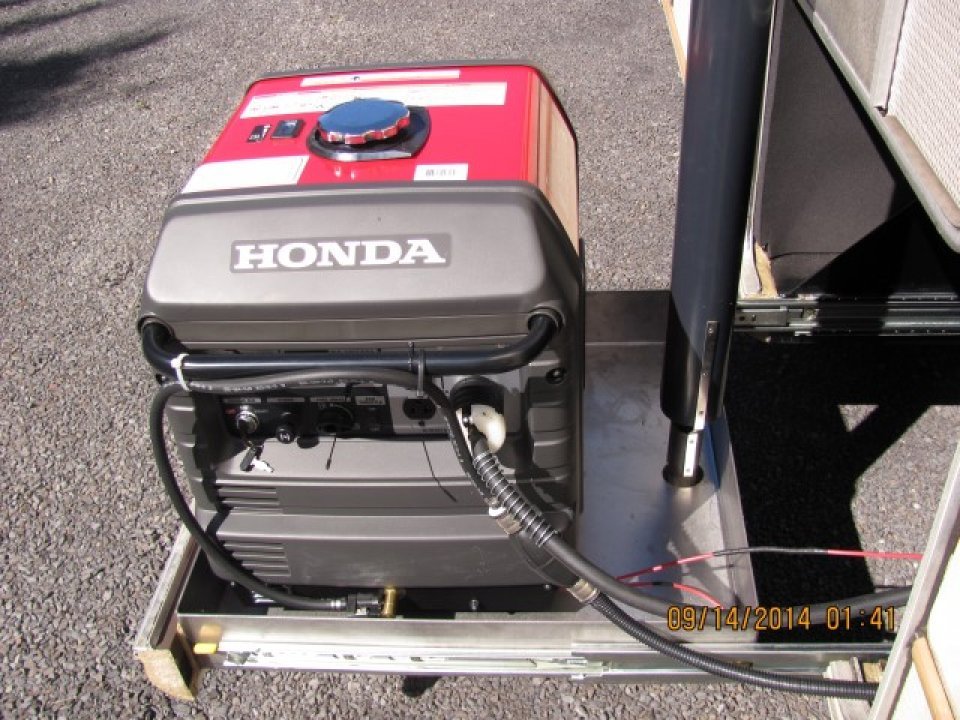
Imagine firing up your generator for an RV trip, a remote worksite, or during a power outage, and instead of a roaring engine, you hear little more than a quiet hum. This isn't a fantasy; it's the promise of a super quiet inverter generator. This Buyer's Guide: Choosing the Best Super Quiet Inverter Generator will walk you through everything you need to know to find the perfect blend of power and peace, ensuring you pick a unit that keeps your electronics safe and your neighbors happy.
At a Glance: Key Takeaways for Your Quiet Power Search
- Decibel Levels Matter: Aim for generators operating below 60 dBA – that’s comparable to normal conversation. Some go even lower, into the 40s.
- Clean Power is Crucial: Super quiet inverter generators produce "pure sine wave" power (low THD), making them safe for sensitive electronics like laptops and medical devices.
- Balance Power & Portability: Consider both starting and running watts for your needs, alongside the unit's weight, size, and whether it has wheels or sturdy handles.
- Fuel Efficiency Saves Money (and Noise): Look for eco-modes that adjust engine speed to reduce fuel consumption and noise, offering longer runtimes.
- Dual Fuel Offers Flexibility: Generators that run on both gasoline and propane give you more options, especially in emergencies.
- Don't Forget Safety & Features: CO alerts, overload protection, multiple outlet types (USB, 120V, RV), and parallel capability can make a big difference.
The Serene Secret: Why Super Quiet Inverter Generators Rule
Traditional generators are workhorses, no doubt, but they often sound like a small plane taking off. That's fine for a construction site far from civilization, but for a family camping trip, a backyard BBQ, or emergency home backup in a quiet neighborhood, the noise quickly becomes unbearable. This is where inverter generators step in, offering a revolutionary shift in portable power.
Unlike conventional generators that run at a constant, high RPM, inverter generators use advanced electronic circuitry to produce AC power, then convert it to DC, and finally "invert" it back to clean AC power. This clever process allows the engine to adjust its speed according to the load, burning less fuel and, crucially, making far less noise. When you demand less power, the engine idles down, becoming wonderfully quiet. For those who value peace and quiet while still needing reliable power, these generators offer the perfect solution.
What "Super Quiet" Really Means in Decibels
When we talk about "super quiet," we're generally looking for units that operate below 60 decibels (dBA). To put that into perspective:
- 30 dBA: A whisper
- 40 dBA: A quiet library
- 50 dBA: A refrigerator hum or normal conversation (this is your sweet spot for many quiet generators)
- 60 dBA: Normal conversation at 3 feet
- 70 dBA: A vacuum cleaner or a busy street
- >70 dBA: A conventional portable generator
Generator manufacturers measure noise levels at a standardized distance, typically 7 meters (about 23 feet), under specific load conditions. So, when you see a generator advertised at, say, "52 dBA," know that this measurement is based on a consistent standard. Many top-tier models, like the Honda EU2200i, can operate as low as 48 dBA, which is genuinely impressive – barely above a soft hum.
The Engineering Behind the Hush: How They Silence the Roar
Achieving those impressive low decibel numbers isn't magic; it's smart engineering. Several key features work in concert to deliver that coveted quiet operation:
- Inverter Technology: As mentioned, variable engine speed is paramount. The engine only works as hard as it needs to, directly reducing noise output when demand is low.
- Sound-Dampening Enclosures: These generators are often encased in specially designed shells made from materials that absorb and block sound waves. Think of it as a meticulously crafted soundproof box for the engine.
- Advanced Mufflers: Similar to a car's exhaust system, these generators feature sophisticated mufflers designed to significantly reduce exhaust noise.
- Vibration Isolation Mounts: Engines vibrate, and vibrations create noise. Rubber or spring mounts absorb these vibrations, preventing them from transferring to the frame and amplifying the sound.
- Smaller, Efficient Engines: Often, smaller engine displacement (e.g., 60cc to 224cc) means less inherent mechanical noise. These engines are also designed for high fuel efficiency, which contributes to quieter, smoother operation.
Powering Your Needs: Deciphering Watts and Outputs
Before you get swept away by low dBA numbers, you need to ensure the generator can actually power your devices. This involves understanding "watts."
Starting Watts vs. Running Watts
- Starting Watts (Surge Power): This is the higher wattage briefly required by appliances with motors (refrigerators, air conditioners, power tools) when they first start up. It's a short burst of extra power.
- Running Watts (Rated Power): This is the continuous wattage needed to keep your appliances operating once they've started.
How to Calculate Your Needs: List all the appliances you plan to run simultaneously. Find their running watts and add them up. Then, identify the appliance with the highest starting watts, subtract its running watts from its starting watts, and add that difference to your total running watts. Always add a 10-20% buffer to this total for safety.
Parallel Capability: Doubling Down on Power
Need more power down the line but don't want a single, massive, heavier generator? Many inverter generators offer parallel capability. This feature allows you to link two identical (or sometimes compatible different models from the same brand) inverter generators together using a special kit. The result? Nearly double the power output, giving you flexibility without sacrificing portability or quiet operation.
Outlets & Connectivity
Consider the types of outlets you'll need:
- 120V AC Outlets: Standard household plugs.
- USB Ports: Essential for charging phones, tablets, and other small electronics.
- 12V DC Outlets: For charging car batteries or running specific 12V appliances.
- RV-Ready Outlets (TT-30R or 14-50R): If you're powering an RV, ensure the generator has the correct 30-amp or 50-amp receptacle.
- GFCI Outlets: For added safety, especially when used in damp conditions.
Fueling Your Adventure: Gasoline, Propane, and Efficiency Modes
The type of fuel your generator uses and how efficiently it burns it are critical considerations.
Gasoline vs. Dual Fuel
- Gasoline: The most common fuel type, widely available. However, gasoline degrades over time and can cause carburetor issues if left in the tank.
- Dual Fuel (Gasoline & Propane): Offers fantastic versatility. Propane has a longer shelf life, burns cleaner (reducing maintenance), and can be easier to store in large quantities. The ability to switch fuels on the fly is a huge advantage, especially in emergencies where one fuel might be scarce. Models like the AIVOLT 8000W Dual Fuel and the WEN DF451i are excellent examples of this versatility.
The Power of "Eco-Mode"
Almost all super quiet inverter generators come with an "eco-mode" (sometimes called "economy mode" or "smart throttle"). This isn't just a gimmick; it's a core feature that truly makes these generators shine. When engaged, eco-mode automatically adjusts the engine's RPM based on the power demand. If you're only charging a phone, the engine will run at a slow, quiet idle. If you plug in a microwave, it will rev up only as much as needed. This significantly reduces noise, extends runtime, and conserves fuel. You'll often see impressive runtimes, like "up to 12 hours on a single tank at quarter load" – that's usually thanks to eco-mode.
Portability & Design: Carrying Your Peace of Mind
What good is a quiet generator if you can't easily move it? Portability is a major factor, especially for camping, tailgating, or moving it around a worksite.
- Weight: Inverter generators are generally lighter than conventional generators of similar power. Small units can weigh as little as 28-40 pounds (e.g., AIVOLT 1600W, WEN 2350-Watt), making them truly backpackable. Larger units (5000W+) might be 100+ pounds.
- Dimensions: Compact footprints mean they take up less space in your RV, garage, or truck bed.
- Handles & Wheels: Look for sturdy carrying handles. For heavier units, a built-in wheel kit with never-flat wheels and telescoping handles (like on the AIVOLT 8000W or Westinghouse 5000W models) is almost a necessity.
Beyond the Noise: Clean Power & Crucial Safety Features
While noise is a primary concern, don't overlook power quality and safety.
Pure Sine Wave Power (Low THD)
This is a hallmark of inverter generators. They produce "clean" power with a Total Harmonic Distortion (THD) of less than 3% (often <2%). Why is this important? Sensitive electronics (laptops, smartphones, smart TVs, medical devices, certain power tools with microprocessors) require stable, consistent power. "Dirty" power from conventional generators can damage these devices or cause them to malfunction. With an inverter generator, you can plug in your valuable gadgets with confidence.
Essential Safety Protocols
Modern generators include features to protect you, your equipment, and the environment:
- CO Alert/Sensor: Carbon monoxide (CO) is a silent killer. Generators with CO sensors will automatically shut down if dangerous levels are detected. This is a non-negotiable safety feature.
- Overload Protection: Prevents damage to the generator and connected appliances if too many devices are plugged in, drawing more power than the unit can handle.
- Low Oil Shutoff: Automatically turns off the engine if the oil level drops too low, preventing costly engine damage.
- Fuel Shutoff: Allows you to run the carburetor dry, preventing stale fuel issues during storage (seen on WEN models).
- EPA and CARB Compliance: Ensures the generator meets federal (Environmental Protection Agency) and California Air Resources Board (CARB) emissions standards. CARB compliance is often stricter and required for sale in California.
The Bells and Whistles: Added Features for Convenience
While not strictly necessary, certain features can significantly enhance your user experience:
- Start Options:
- Pull Cord (Recoil Start): Standard, reliable, and requires no battery.
- Electric Start: Push-button start, usually with a battery, making startup effortless.
- Remote Key Fob Start: Start or stop your generator from a distance (common on higher-end models like the Westinghouse 5000W).
- Digital Display: Provides real-time information on fuel levels, power output, runtime remaining, and maintenance alerts. This can be incredibly useful for planning and monitoring.
- Fuel Gauge: A simple but effective way to know when you need to refuel.
- Warranty: A good warranty (e.g., three years like some WEN models) provides peace of mind.
Leading the Pack: Top Quiet Inverter Generators to Consider
With so many options, here are some standout models that consistently deliver on the "super quiet" promise, offering a range of power outputs and features. To dive deeper into specific options, you can explore quiet inverter generators tailored for various needs.
- Honda EU2200ITAN (EU2200i): Often considered the gold standard, this 2200W generator operates at a remarkably low ~48 dBA. It's compact, lightweight, incredibly fuel-efficient, and a proven workhorse. Perfect for camping or sensitive electronics.
- Westinghouse 5000W Super Quiet Portable Inverter Generator: A more powerful option at 5000W, yet it keeps noise below 52 dBA. It boasts a remote key fob start, a digital display, and an economy mode that can stretch runtime up to 18 hours. Great for RVs or larger backup needs.
- AIVOLT 8000W Dual Fuel Super Quiet Inverter Generator: If you need serious power without the roar, this unit delivers 8000W surge power while maintaining 62 dBA. Its dual-fuel capability, CO alert, telescopic handle, and never-flat wheels make it a robust and versatile choice for home backup or heavy-duty use.
- WEN 4800-Watt Portable Inverter Generator: This RV-ready unit (TT-30R outlet) offers a strong 4800W, low noise, and a compact design. Its fuel shutoff feature is a nice touch for long-term storage.
- WEN 2350-Watt Portable Inverter Generator: A lightweight champion at just 39 pounds, this generator provides 2350W surge power and whisper-quiet operation. Ideal for lighter tasks, tailgating, or as a portable charging station.
- AIVOLT 1600W Inverter Generator: An ultra-light (28 pounds) and very quiet option (57 dBA at 23 feet) with 1600 starting watts. Its eco switch provides up to 8 hours of runtime on a quarter load, making it excellent for minimal power needs.
- Gasxcel Generator (2500W): With 2500W peak power and 58 dBA, this 43-pound unit boasts a fully enclosed design and advanced muffler for excellent quiet performance and up to 10 hours of runtime.
- ERAYAK Inverter Generator (4500W): Offering 4500 peak watts and 3500 running watts, this 55-pound generator runs at a respectable 60.5 dB(A) with an eco mode, making it a compact yet powerful solution.
- WEN DF451i Dual Fuel Inverter Generator: Another excellent dual-fuel option, providing 4500 surge watts at a quiet 58 dBA (quarter load). Its auto-fuel selection and compliance with EPA III and CARB standards make it a reliable choice.
Keeping Your Quiet Companion Humming: Essential Maintenance
Even the best super quiet inverter generator needs a little love to stay quiet and reliable. Regular maintenance is key:
- Check Oil Levels: Do this before each use or monthly. Change the oil every 50-100 hours of operation.
- Clean/Replace Air Filter: A dirty air filter reduces efficiency and can increase noise. Clean it monthly or more often in dusty conditions.
- Inspect Fuel System: Look for debris or kinks in fuel lines. If storing, consider a fuel stabilizer or running the carburetor dry (if your unit has a fuel shutoff).
- Proper Ventilation: Always operate generators outdoors in a well-ventilated area, far from windows and doors. Never use them in enclosed spaces like garages or tents. This isn't just for noise; it's a critical safety measure against CO poisoning.
- Spark Plug Check: Inspect and clean the spark plug annually, replacing it if worn.
- Professional Tune-up: Schedule routine professional maintenance every few years or after heavy use, especially before long periods of storage.
The Final Word: Listening to Real-World Experience
While specifications are invaluable, customer reviews offer a crucial glimpse into a generator's real-world performance. People often comment directly on actual noise levels in various conditions, durability over time, ease of starting, and the accuracy of runtime claims. These insights can help confirm your choice and uncover any potential quirks or hidden gems.
Choosing the right super quiet inverter generator means finding the perfect harmony between power, portability, and peace. By considering your specific needs, understanding the technical details, and paying attention to key features and maintenance, you'll be well-equipped to make an informed decision. Ready to find your ideal power companion? Start exploring super quiet inverter generators today and enjoy the hum of efficiency, not the roar of a motor.