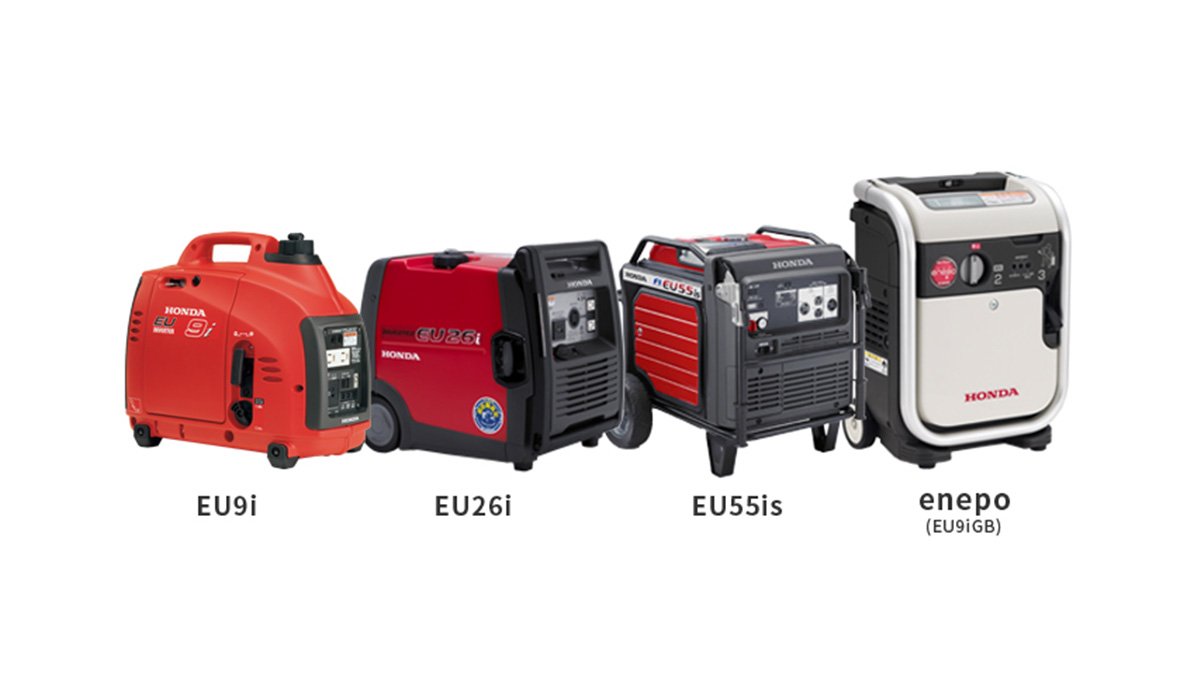
When the lights go out, or your adventure calls you off the grid, the last thing you want is a noisy, sputtering engine drowning out the peace. That's where Optimal Use Cases for Quiet Inverter Generators shine, transforming frustrating outages and remote excursions into seamless experiences. These modern marvels deliver reliable power without the roar of traditional generators, making them indispensable for everything from powering an RV in a quiet campground to keeping your essential home appliances humming during a blackout.
Gone are the days when bringing your own power meant tolerating a racket. Today's inverter generators are engineered for quiet operation, clean power delivery (crucial for sensitive electronics), and portability, ensuring your comfort and convenience no matter where you need electricity.
At a Glance: Your Portable Power Playbook
- Silence is Golden: Inverter generators are significantly quieter than conventional models, perfect for noise-sensitive areas like campgrounds or residential neighborhoods.
- Clean Power, Happy Electronics: They produce "clean" electricity (low Total Harmonic Distortion or THD), safeguarding your laptops, smartphones, and other delicate devices from damage.
- Built for the Road: Lightweight and compact designs, often with handles or wheels, make them ideal companions for RVs, camping, and tailgating.
- Home Backup, Stress-Free: Capable of powering essential appliances like refrigerators, lights, and furnace fans during power outages, ensuring comfort and safety.
- Fuel Flexibility: Many models offer dual-fuel options (gasoline and propane), providing versatility and extending runtime.
- Safety First: Integrated CO sensors and automatic shutdowns are standard on many units, protecting users from carbon monoxide poisoning.
Why Go Quiet? The Inverter Advantage Explained
Traditional generators operate at a constant engine speed, regardless of the power demand, leading to inefficient fuel use and a constant, often deafening, noise level. Inverter generators, on the other hand, employ sophisticated electronic throttles that adjust engine speed to match the load. This intelligent design means they only work as hard as they need to, resulting in significantly reduced fuel consumption, lower emissions, and most notably, dramatically quieter operation.
Beyond the reduced noise, inverter technology also ensures a stable, "clean" sine wave power output. This is critical for modern electronics that are susceptible to power fluctuations. With less than 3% THD (Total Harmonic Distortion), inverter generators provide electricity that's often cleaner than what comes from your wall outlet, giving you peace of mind when plugging in your most valuable devices.
Powering Your Adventures: RVs, Camping & Remote Getaways
Imagine waking up to the gentle chirping of birds, not the incessant drone of a generator. This isn't a pipe dream; it's the reality with a quiet inverter generator on your next RV trip or camping adventure. These units are practically tailor-made for life on the road, offering the perfect blend of power, peace, and portability.
For RVers, especially those who enjoy boondocking or dry camping, a quiet inverter generator is non-negotiable. You can power your microwave, run your air conditioner (with a sufficiently sized unit or a parallel setup), charge your devices, and keep your lights on without disturbing neighboring campsites or the natural serenity around you. Models like the WEN 4800-Watt Inverter Generator are specifically designed as "RV-ready," boasting compact designs and quiet operation, perfect for maintaining comfort on the go. Its 1.9-gallon fuel tank provides up to 7 hours of runtime at half load, making it a reliable companion for extended stays. Similarly, the Champion 4000-Watt Inverter delivers ample power for many RV needs and is impressively lightweight at under 49 pounds.
Many larger RVs require dedicated 30-amp (TT-30R) outlets, which several inverter generators now include, such as the Westinghouse Dual-Fuel Inverter (5000W peak/3900W running). This thoughtful inclusion eliminates the need for bulky adapters and ensures a direct, secure connection for your RV's power system.
Portability is another major win for outdoor enthusiasts. Lightweight options like the WEN 3600-Watt Portable Inverter Generator, at approximately 46 pounds, or the ultralight WEN 2350-Watt Inverter Generator (around 39 pounds), make transport and setup a breeze. You can easily move them from your vehicle to your campsite, or even take them along for tailgates and outdoor gatherings where a quiet power source is appreciated by everyone. The AMERISUN Model, also around 39.7 pounds with a carry handle, offers similar ease of transport.
Whether you're charging e-bikes, powering outdoor cooking appliances, or simply keeping your RV's battery topped off, these generators provide the freedom to explore without sacrificing modern conveniences. Remember, the quiet operation is often comparable to a normal conversation, ensuring your adventures remain peaceful. If you're looking for an in-depth exploration of the quietest options available, you might find our super quiet generator guide particularly helpful.
Steadfast During Storms: Essential Home Backup
When severe weather strikes or an unforeseen outage plunges your home into darkness, a quiet inverter generator can be a lifeline. Unlike whole-house standby generators, these portable units offer a flexible and often more affordable solution for powering essential appliances, keeping your household comfortable and safe until power is restored.
The goal for home backup isn't necessarily to power your entire house, but rather to keep critical systems operational. Think refrigerator (to prevent food spoilage), a few lights, a fan for air circulation or your furnace fan for heat, and perhaps a charging station for phones and laptops. For these needs, units like the WEN 4800-Watt Inverter Generator (4000 running watts) or the PowerSmart 4400-Watt Inverter Generator (3600 running watts) offer sufficient power for many households.
Dual-fuel models significantly enhance the utility of your backup power solution. Generators like the WEN DF280iX (Dual-Fuel) provide the flexibility to run on either gasoline or propane. This is invaluable during extended outages when gasoline might be scarce or difficult to acquire, or if you already have propane available for grilling. The larger DF680iX (Dual-Fuel) steps up the power output considerably (5100 running watts on gasoline, 4500 on propane), even featuring a bonded-neutral 240V configuration that can be used for Level 2 EV charging – a unique benefit for tech-savvy homeowners. Westinghouse also offers robust dual-fuel EFI (Electronic Fuel Injection) inverter generators, capable of running up to 12 hours at a quarter load on gas, maximizing efficiency during a crisis.
Safety is paramount when operating generators for home backup. Almost all reputable inverter generators now include advanced safety features. Models like the WEN DF280iX and the DF680iX incorporate the WEN Watchdog CO Shutdown Sensor, while the Champion 4000-Watt Inverter boasts a CO Shield mechanism. The AMERISUN Model and the EFI Dual-Fuel Inverter also feature integrated CO sensors. These systems automatically shut down the generator if dangerous levels of carbon monoxide are detected, providing a crucial layer of protection for you and your family. Always remember to operate generators outdoors, far from windows and doors.
For homes with higher power demands, the ability to parallel two smaller inverter generators together can create a more powerful backup system without the bulk of a single large, noisy unit. Many inverter generators, including the Champion 4000-Watt Inverter and the Westinghouse Dual-Fuel EFI Inverter, offer parallel kit options, allowing you to effectively double your running wattage when needed.
Beyond the Basics: Job Sites & Outdoor Events
The quiet operation and clean power of inverter generators extend their utility far beyond just RVs and home backup. For contractors and handymen, bringing power to a remote job site, especially in residential areas, means getting work done without disrupting neighbors or violating noise ordinances. Powering sensitive tools like cordless battery chargers, lighting, or even small air compressors becomes manageable and peaceful.
Similarly, for outdoor events such as farmers' markets, craft fairs, school functions, or even a backyard movie night, a quiet inverter generator ensures that your power source doesn't become the main attraction. You can run sound systems, lighting, food warmers, or projectors without adding an unwelcome soundtrack to the festivities. The portability of units like the WEN 3600-Watt Portable Inverter Generator or the WEN 2350-Watt Inverter Generator makes them perfect for these temporary setups.
Finding Your Perfect Power Partner: A Buyer's Blueprint
Choosing the right quiet inverter generator requires a bit of homework. With so many excellent options available, understanding your needs and the key specifications will help you make an informed decision.
Sizing Up Your Needs: Watts Don't Lie
This is your first and most critical step. List all the appliances and devices you plan to power simultaneously. Identify their starting watts (the surge of power needed to kick-start motors, like in refrigerators or AC units) and their running watts (the continuous power needed to operate). Your generator must be able to handle both. Always add a comfortable margin (e.g., 10-20%) to your total estimated wattage to account for unexpected demands or future needs.
For example, a WEN 2350-Watt Inverter Generator (1900 running watts) is great for basic camping needs or charging, but if you're eyeing an RV air conditioner, you'll need something more robust like a WEN 4800-Watt Inverter Generator (4000 running watts) or even a parallel setup with two units.
The Sound of Silence: Decibel Ratings Decoded
Inverter generators are renowned for their quiet operation, but "quiet" is subjective. Decibel (dB) ratings provide an objective measure, typically taken at 20 or 23 feet at 25% load. To put it in perspective:
- 50-60 dB: Similar to a normal conversation or a quiet office. The WEN 2350-Watt Inverter Generator is engineered to operate comparable to a normal conversation.
- 60-70 dB: Similar to a dishwasher or typical conversation in a restaurant. The AMERISUN Model operates at approximately 69dB at 23 feet, while the PowerSmart 4400-Watt Inverter Generator is around 76 dB at 23 feet at 25% load.
The lower the decibel rating, the quieter the experience. For sensitive environments, prioritize units closer to the 50-60 dB range.
Fueling Your Future: Gas, Propane, or Both?
- Gasoline: Widely available, but has a shorter shelf life and can be less efficient.
- Propane: Cleaner burning, longer shelf life, and often more stable during power outages, but can produce slightly lower wattage.
- Dual-Fuel: Offers the best of both worlds, providing flexibility during shortages or for extended use. Models like the WEN DF280iX, DF680iX, and Westinghouse Dual-Fuel Inverter lines exemplify this versatility.
- Electronic Fuel Injection (EFI): Generators with EFI (such as the Westinghouse Dual-Fuel EFI Inverter and the EFI Dual-Fuel Inverter) boast improved fuel efficiency, easier starting, and reduced maintenance compared to carbureted engines. This can translate to longer runtimes and fewer headaches.
Long Haul Power: Runtime and Tank Size
Consider how long you need your generator to run before refueling. Tank size and fuel efficiency play a direct role. A larger tank or a more fuel-efficient engine (like those with EFI) will offer longer runtimes. The PowerSmart 4400-Watt Inverter Generator provides around 11 hours of runtime at 25% load from its 1.6-gallon tank, while some Westinghouse EFI models promise up to 12 hours at a quarter load on gas, minimizing interruptions during critical times.
Safety First, Always: CO Sensors & Clean Power
These are non-negotiable features.
- Carbon Monoxide (CO) Sensors: Essential for preventing CO poisoning. Look for models with integrated CO shutdown systems, such as WEN's Watchdog Sensor, Champion's CO Shield, or the sensors in AMERISUN and many EFI Dual-Fuel models.
- Clean Power (Low THD): Crucial for sensitive electronics. Ensure the generator specifies less than 5% THD, ideally less than 3% as seen in the Westinghouse models. This protects your laptops, phones, medical devices, and other delicate equipment from voltage spikes and irregular waveforms.
Built for Travel: Portability Matters
If you plan to move your generator frequently, consider its weight, dimensions, and ergonomic features.
- Weight: Ultralight models like the WEN 3600-Watt (46 pounds), Champion 4000-Watt (under 49 pounds), WEN 2350-Watt (39 pounds), and AMERISUN Model (39.7 pounds) are a joy to transport.
- Handles & Wheels: Many larger units, such as the Westinghouse Dual-Fuel EFI Inverter, come with telescoping handles and never-flat wheels for effortless movement, transforming a heavy unit into a manageable one.
The Right Connections: Outlets for Every Need
Check the available outlets to ensure they match your devices. Common outlets include:
- 120V AC Duplex Outlets: Standard household plugs.
- USB Ports: For charging smaller electronics directly.
- 12V DC Outlet: Often used for charging automotive batteries.
- RV-Specific TT-30R Outlet: Essential for connecting directly to an RV's 30-amp electrical system, as found on some Westinghouse models.
Effortless Start-Up: Reliability & Convenience
How easy is it to start your generator?
- Recoil Start: The traditional pull-cord method, common on lighter units.
- Electric Start: A push-button start for convenience, often requiring a small battery.
- Remote Start: The ultimate in convenience, allowing you to start or stop the generator from a distance using a key fob, a feature found in some Westinghouse models.
More Power, Please: The Parallel Option
If your power needs might grow, or you want the flexibility of two smaller, quieter units over one large one, look for parallel capability. This allows you to connect two identical or compatible inverter generators to effectively double your power output. The Champion 4000-Watt Inverter, Westinghouse Dual-Fuel EFI Inverter, and the EFI Dual-Fuel Inverter all offer this valuable expansion option.
Playing by the Rules: Compliance & Standards
Always verify that your chosen generator complies with local noise ordinances and emission standards (e.g., CARB-compliant for California). These regulations ensure your generator can be legally and responsibly used in your area.
Investing Wisely: Budget & Warranty
Consider the overall value. While a higher upfront cost might mean better features, efficiency, and longevity, a lower-priced model might suffice for occasional, light use. Always check the warranty length and coverage for parts and service, as this speaks volumes about the manufacturer's confidence in their product.
Common Questions About Quiet Inverter Generators
It's natural to have questions when investing in such a versatile piece of equipment. Here are some common queries answered succinctly:
Are inverter generators really that much quieter than traditional generators?
Absolutely. It's their defining feature. Traditional open-frame generators typically operate in the 70-80+ dB range, similar to a vacuum cleaner or noisy restaurant. Inverter generators often run in the 50-60 dB range, which is closer to a normal conversation or the hum of an air conditioner, making them dramatically less intrusive.
Can I run all my home appliances with one of these?
Not typically all of them simultaneously. Quiet inverter generators are excellent for powering essential home appliances during an outage—think refrigerator, lights, phone chargers, and a furnace fan. Large, high-wattage appliances like central air conditioning or electric water heaters usually require much larger, often standby, generators or multiple parallel inverter units.
Is "clean power" really important for everything I plug in?
Yes, especially for sensitive electronics. Clean power, characterized by low Total Harmonic Distortion (THD), means the electricity produced is smooth and consistent. Without it, devices like laptops, smartphones, smart TVs, and medical equipment can be damaged by voltage spikes or inconsistent waveforms, potentially leading to malfunctions or a shortened lifespan. For basic items like a light bulb, it's less critical, but for anything with a circuit board, it's vital.
Your Next Step: Choosing with Confidence
Quiet inverter generators have revolutionized portable power, offering a sophisticated blend of performance, efficiency, and tranquility. Whether you're an avid RVer seeking solace in nature, a homeowner preparing for the unexpected, or someone needing quiet power for a job or event, there's an inverter generator perfectly suited to your needs.
Take the time to assess your power requirements, prioritize the features that matter most to you – be it supreme quietness, dual-fuel flexibility, or maximum portability – and leverage the wealth of information available. By understanding the optimal use cases and key considerations, you're now equipped to choose a generator that won't just provide power, but also peace of mind.