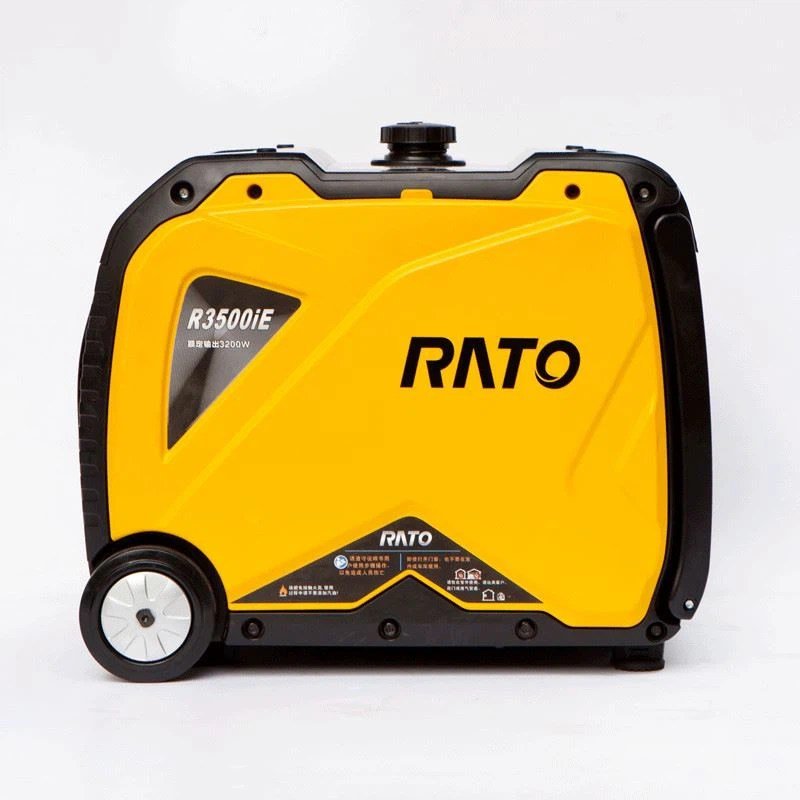
Imagine the hum of nature, not the roar of an engine, when you need portable power. Super quiet inverter generators make this dream a reality, transforming the way we experience backup power, outdoor adventures, and job site efficiency. These ingenious machines provide reliable electricity without disrupting your peace, making them indispensable for everything from serene camping trips to essential home emergency preparedness.
At their core, super quiet inverter generators leverage advanced technology to offer a significant upgrade over traditional models. They're designed for efficiency, portability, and, most notably, hushed operation. If you've ever been frustrated by the incessant drone of a conventional generator, prepare to discover a world where powerful electricity coexists harmoniously with tranquility. This hub is your definitive guide to understanding, choosing, and maximizing the potential of these remarkable devices.
The Quiet Revolution: Understanding Inverter Generator Technology
What exactly makes an inverter generator "super quiet"? Unlike conventional generators that run at a constant, high RPM, inverter models use a microcomputer to regulate engine speed based on the power load. This means the engine doesn't have to work harder than necessary, leading to significantly reduced noise and better fuel economy. Beyond the variable engine speed, manufacturers often encase these units in sound-dampening materials and innovative designs, further muffling their operation. A "quiet" generator typically operates at 60 decibels (dB) or less – comparable to a normal conversation or a running dishwasher, not a roaring beast. To truly appreciate the engineering behind these peaceful powerhouses, you'll want to Learn About Inverter Generators in depth, exploring how they deliver clean, stable power essential for sensitive electronics.
Finding Your Perfect Match: Key Considerations for Quiet Power
Choosing the right super quiet inverter generator involves more than just picking the quietest one. You need a balance of power, features, and fuel efficiency tailored to your specific needs. Understanding these factors ensures you invest in a generator that serves you well, whether for occasional use or regular demand.
Power Output: Matching Watts to Your Needs
The wattage a generator produces dictates what appliances and devices it can power. While quiet generators are often compact, their output can vary significantly. For light-duty tasks like camping or minor job site tools, 1,000-1,600 watts might suffice. However, for home backup, such as running a large refrigerator, a minimum of 2,000 watts is recommended, with 3,000+ watts ideal for multiple household items. Always check the wattage labels on your essential devices.
Fuel Type and Efficiency: Gasoline, Propane, or Solar
Most quiet inverter generators run on gasoline, offering reliable power. Dual-fuel models, like the Pulsar 2200-Watt, add the flexibility of using propane, which can be convenient for longer storage or specific situations. For the ultimate in silence and eco-friendliness, consider solar-powered portable power stations such as the Generac GB2000. These are completely silent during operation, though they require solar panels (often sold separately) for recharging. The Eco Throttle® System, a feature found in many models including Honda's, further enhances fuel efficiency by adjusting engine output to match the load, extending run times.
Noise Level: The Decibel Difference
As we've highlighted, the defining characteristic is quiet operation. Aim for models rated 60 dB or below. Leading generators like the Westinghouse iGen4500 boast an impressive 52 dB(A), making it quieter than normal conversation, while others like the Generac iQ3500 offer 56 dB(A) in Eco mode. If you’re ready to compare the top contenders based on their performance and noise, our detailed guide on the Best super quiet inverter generators will help you find the ideal model for your requirements.
Portability and Features: From Hand-Carry to High-Tech
Quiet inverter generators range from easily portable 40-60 pound units, like the Honda EU2200i, to heavier 100+ pound models that may include wheel kits, such as the Generac iQ3500 or Westinghouse iGen4500. Beyond size, look for useful features:
- Load Sharing (Parallel Capability): Connect two compatible generators to double your power output.
- Electric Start: Push-button or remote starting offers incredible convenience.
- Multiple Outlets: Ensure you have enough outlets, including household, RV (for camping), and USB ports for charging devices. The Ryobi 2300-Watt, for instance, offers Bluetooth connectivity and a mobile app for remote monitoring and shutoff, making it very user-friendly.
If you’re keen on maximizing your generator’s capabilities, exploring Generator Accessories & Upgrades can introduce you to everything from parallel kits to protective covers, enhancing both performance and longevity.
Where Peace Meets Power: Optimal Use Cases
The versatility of super quiet inverter generators makes them suitable for a wide array of applications where noise would otherwise be an issue.
- Camping & RVing: Enjoy the great outdoors without disturbing your neighbors or the wildlife. Power your RV essentials, charge devices, and run small appliances with models like the Westinghouse iGen4500, designed specifically for these adventures.
- Home Backup: Keep essential appliances like refrigerators running during power outages without the stress of a loud machine outside your window.
- Job Sites: Provide clean, consistent power for tools without creating a noisy work environment. While some might struggle with high-wattage tools, many efficiently run saws and grinders.
- Outdoor Events & Tailgating: Power lights, music, and cooking appliances at social gatherings, blending seamlessly into the background.
Whether you’re planning a remote camping trip or preparing for unexpected blackouts, understanding the full scope of applications will help you make the most of your investment. Dive deeper into the possibilities with our guide on Optimal Use Cases for Quiet.
Keeping Your Quiet Generator Running Smoothly
Like any vital equipment, your super quiet inverter generator requires periodic maintenance to ensure longevity and reliable performance. Routine oil changes (starting at 20 hours for new units, then every 100 hours), air filter cleaning, and running the generator for 20-30 minutes every few months are crucial. Always consult your manufacturer's guidelines for specific schedules and procedures. For more detailed instructions on upkeep and addressing common issues, our resource on Quiet inverter generator maintenance Troubleshoot your offers invaluable advice to keep your unit in top condition.
Safety First: Operating Your Generator
While convenient, it's vital to operate fuel-powered generators safely. Never run a generator in enclosed spaces like basements or garages, as this poses a serious carbon monoxide risk. Always ensure proper ventilation. For overnight operation, small portable generators may require breaks (check your manual), and running any portable fuel-powered generator unmonitored overnight is unsafe due to fire risks and CO production. Honda's EU2200i, for example, includes a CO-Minder sensor and safety shutoff for added protection.
Super quiet inverter generators offer a unique blend of power, efficiency, and peace, making them an excellent investment for anyone needing portable electricity. By understanding the technology, considering your specific needs, and committing to proper maintenance, you're well on your way to enjoying reliable power without the unwanted noise. Explore the pillars in this hub to become a true expert and confidently select the perfect quiet power solution for your life.