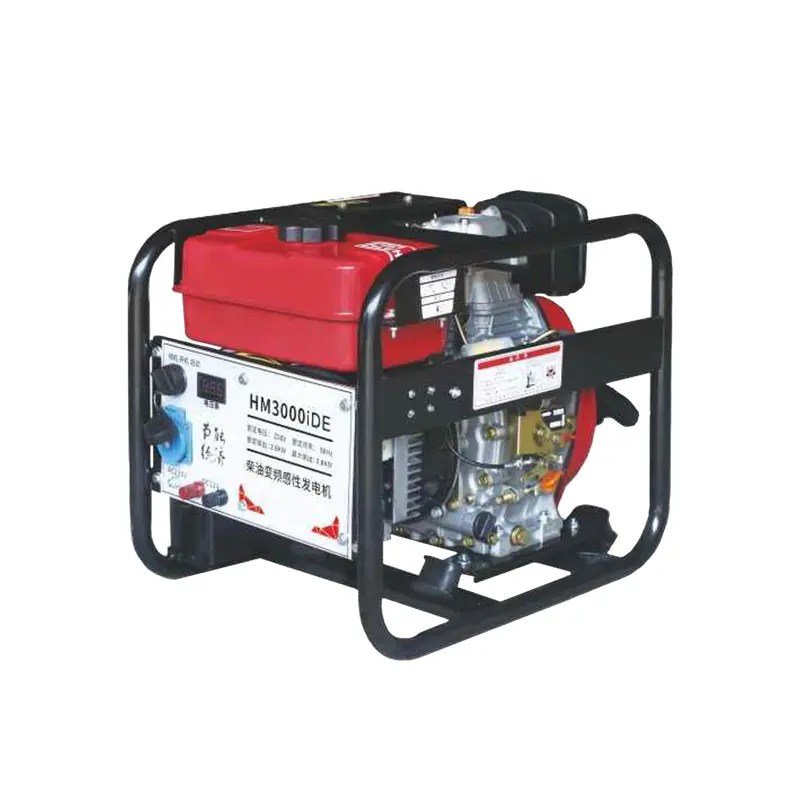
When the lights go out, or you need reliable power far from an outlet, the roar of a traditional generator used to be the only answer. But those days are fading. Understanding Inverter Generator Technology reveals a smarter, quieter, and cleaner way to power your world, ensuring your sensitive electronics are safe and your peace isn't shattered. This isn't just a guide; it's your definitive exploration into a technology that's redefined portable power.
At a Glance: What You Need to Know About Inverter Generators
- Clean Power for Sensitive Electronics: Produces stable, pure sine wave electricity, ideal for laptops, smartphones, medical devices, and more.
- Whisper-Quiet Operation: Significantly quieter than traditional generators, making them friendly for campsites, neighborhoods, and job sites.
- Remarkable Fuel Efficiency: Adapts engine speed to actual power demand, saving fuel and extending runtimes.
- Compact and Portable: Typically lighter and easier to transport, often featuring handles or wheels.
- Parallel Power Capability: Connect multiple units together to double your power output without buying a larger, heavier generator.
- Higher Upfront Cost: Generally more expensive to purchase than conventional generators, but often more economical long-term.
The Evolution of Portable Power: Why Inverter Technology Matters
For years, portable generators were brute-force machines. They delivered power, yes, but often with a constant, ear-splitting drone and a "dirty" electrical output that could damage delicate devices. Imagine plugging your brand-new laptop into a power source that flickers and surges unpredictably – that's the risk with older generator technology.
Inverter generator technology emerged to solve these exact problems. It’s a core advancement that transforms raw engine power into a remarkably stable and high-quality electrical current. This isn't just an incremental improvement; it's a fundamental shift in how portable electricity is generated and delivered, making reliable power accessible and safe for our increasingly digital lives.
Behind the Scenes: How Inverter Generators Create Clean Power
To truly appreciate an inverter generator, it helps to peek under the hood, not into the mechanics of the engine itself, but into the electrical wizardry that happens after the engine runs. It's a fascinating multi-stage process designed for precision.
Think of it like this: A traditional generator sends power directly from its alternator to your devices, like a firehose blasting water. An inverter generator takes that raw "water," filters it, processes it, and then delivers it at a perfectly consistent pressure, no matter how much "water" is demanded.
Here's the simplified breakdown:
- Raw AC to DC: First, the engine runs an alternator, which generates alternating current (AC). However, this initial AC isn't clean or stable. So, the generator immediately sends this raw AC power to a rectifier, which converts it into direct current (DC). This DC power is still somewhat pulsating, not perfectly smooth.
- The Inverter Brain: This pulsating DC is then fed into the heart of the system: the inverter circuit. This circuit, controlled by advanced microprocessors, uses a technique called Pulse Width Modulation (PWM). Imagine rapidly switching an electrical signal on and off, but varying the duration of the "on" pulses. By precisely controlling these pulse widths, the inverter can recreate a smooth, perfectly shaped AC sine wave.
- Clean AC Output: The result is a consistent, stable alternating current that perfectly mimics the clean power you get from your home's wall outlets. A controller constantly monitors and regulates both the voltage and frequency to ensure this precision, while a transformer often provides electrical isolation and adjusts voltage levels.
This multi-stage conversion is the secret to why inverter generators are so much better for sensitive electronics, delivering a "pure sine wave" that prevents glitches, crashes, and damage to your devices.
Beyond the Output: Key Advantages You'll Love
The clean power output is just the beginning. Inverter generators come packed with practical benefits that make them a superior choice for a vast array of applications.
Whisper-Quiet Operation
One of the most immediate and appreciated differences is the noise level. Traditional generators often operate at a single, high engine speed, producing a constant, loud roar. Inverter generators, however, feature variable engine speed. Their advanced designs, often including sophisticated mufflers and enclosed housings, result in significantly quieter operation.
Why is this important? Whether you're camping, tailgating, working on a construction site, or experiencing a home power outage, you don't want to shout over your generator. Quieter operation means less disturbance for you, your neighbors, and the surrounding environment. Many top models boast decibel levels comparable to a normal conversation, making them a welcome change from their noisy predecessors. If you’re prioritizing a tranquil environment, you’ll find great options in a Guide to super quiet inverter generators.
Remarkable Fuel Efficiency
Because inverter generators adjust their engine speed based on the actual load demand, they don't run at full throttle all the time. If you're only powering a few light bulbs and charging your phone, the engine will slow down. If you then plug in a power tool, it will rev up to meet the demand.
This "smart throttle" or "eco-mode" capability dramatically reduces fuel consumption. Less fuel used means:
- Longer Runtime: You won't have to refuel as often, extending your generator's operating time on a single tank.
- Lower Operating Costs: Over the lifespan of the generator, the fuel savings can be substantial, offsetting the higher initial purchase price.
- Reduced Emissions: Less fuel burned also means a smaller environmental footprint.
Compact Size and Portability
Inverter generators are typically designed with portability in mind. Their advanced technology allows for more compact alternators and lighter engines, leading to smaller overall footprints and reduced weight compared to conventional generators of similar power output.
Many models feature built-in handles, and larger units might include wheels for easy transport. This makes them ideal for situations where you need to move your power source frequently, whether it's from your garage to the campsite or across a job site.
Parallel Operation Capability
Need more power than a single inverter generator can provide, but don't want to buy a massive, difficult-to-move unit? Many inverter generators offer parallel operation capability. This means you can connect two smaller units together with a special parallel kit to effectively double your power output.
This flexibility is a huge advantage, allowing you to scale your power needs up or down. You can use a single unit for light tasks and then combine two for heavier loads, rather than being stuck with a single, less versatile machine.
Inverter Generators vs. Traditional Generators: A Clear Choice
Understanding the specific differences between these two types of generators is key to making an informed decision. While both provide electricity, they do so in fundamentally different ways, leading to significant distinctions in performance, application, and cost.
Let's break down the head-to-head comparison:
| Feature | Inverter Generators | Traditional Generators |
|---|---|---|
| Power Output | Clean, stable AC (pure sine wave), precise voltage and frequency. Safe for all electronics. | Raw, fluctuating AC (modified or square wave). Can be risky for sensitive electronics. |
| Noise Level | Significantly quieter (often 50-65 dB), variable engine speed. | Very loud (often 70-85+ dB), constant high engine speed. |
| Fuel Efficiency | Excellent, due to variable engine speed (Eco-mode). | Lower, as engine runs at a constant high RPM regardless of load. |
| Portability | Generally more compact, lightweight, and easy to transport. | Often bulky, heavy, and less portable. |
| Electronics Safety | Safe for all sensitive devices (computers, phones, medical equipment). | Can potentially damage sensitive devices due not to unstable power. |
| Cost | Higher upfront cost. | Lower upfront cost. |
| Parallel Op. | Many models offer parallel capability. | Rarely available on traditional models. |
| For tasks like running power tools or large appliances where sensitive electronics aren't involved, a traditional generator might suffice and save you money upfront. However, if you plan to power anything with a microchip – which is virtually everything these days – an inverter generator is the safer, smarter, and more comfortable choice. |
Where Inverter Generators Shine: Diverse Applications
The benefits of inverter technology make these generators incredibly versatile, finding their place in a wide range of scenarios where reliable, quiet power is a must.
- Camping and Outdoor Activities: Imagine powering your RV, charging phones, running a portable fridge, or even a projector for an outdoor movie night, all without disrupting the peace of nature. Their quiet operation and portability make them perfect for wilderness excursions or tailgating events.
- Home and Business Backup Power: During power outages, inverter generators can keep essential devices running. Think lights, refrigerators, internet routers, and crucial medical equipment. Their clean power ensures these vital systems operate without interruption or damage.
- Construction Industry: While large job sites might still use robust traditional generators, inverter models are excellent for powering sensitive tools, charging battery packs, or providing auxiliary power in smaller, more contained areas where noise and fuel efficiency are concerns.
- Sensitive Electronic Devices: This is where they truly excel. Operating computers, laptops, televisions, gaming consoles, telecommunications systems, and even life-sustaining medical equipment (like CPAP machines) requires a stable, pure sine wave power output. Inverter generators provide exactly that, protecting your valuable and essential electronics.
- Outdoor Events and Food Trucks: For vendors, musicians, or event organizers, the quiet operation and clean power are invaluable. You can power sound systems, lighting, cash registers, and cooking appliances without drowning out conversations or risking equipment damage.
Essentially, any situation that demands clean, stable power without the excessive noise and fuel consumption of older technology is a perfect fit for an inverter generator.
Choosing the Right Inverter Generator for Your Needs
Selecting the perfect inverter generator requires careful consideration. It’s not just about picking the biggest or cheapest; it’s about matching the generator’s capabilities to your specific requirements.
1. Assess Your Power Requirements
This is arguably the most critical step. You need to accurately calculate the total power consumption (in watts) of all the devices you plan to run simultaneously.
- Starting (Surge) Watts vs. Running Watts: Many appliances, especially those with motors (refrigerators, power tools), require a higher surge of power to start up than they do to run continuously. You'll need to account for the highest starting wattage among your intended devices.
- List Everything: Make a list of every item you want to power. Check their labels for wattage requirements. Sum the running watts for all continuous items, then add the highest starting wattage of any single item that will cycle on and off.
- Safety Margin: Always add a 10-20% buffer to your total calculated wattage to avoid overloading the generator. It's better to have slightly more power than you need than to constantly trip breakers.
2. Evaluate Noise Levels
As discussed, inverter generators are quiet, but some are even quieter than others. Decibel (dB) ratings are key here.
- dB Scale: Remember that the decibel scale is logarithmic, meaning a small numerical difference represents a significant difference in perceived noise. For example, a generator rated at 60 dB is twice as loud as one rated at 50 dB.
- Your Environment: Consider where you'll be using it. For camping or close-quarter use, aim for generators in the 50-60 dB range. For louder environments like a construction site, you might have more leeway. Look for models with advanced noise reduction features.
3. Prioritize Portability and Weight
If you plan to move your generator frequently, its physical characteristics are crucial.
- Weight: Lighter models are easier to lift and carry. Consider units under 50 lbs for maximum portability, or those with robust wheels and extendable handles for heavier machines.
- Physical Size: A compact design allows for easier storage and transport in vehicles.
4. Consider Fuel Type and Runtime
Generators typically run on gasoline, but dual-fuel models (gasoline and propane) are increasingly popular.
- Fuel Type: Gasoline is readily available, but propane offers longer storage life and burns cleaner.
- Runtime: Check the manufacturer's specified runtime at various load percentages (e.g., runtime at 25% load vs. 50% load). This tells you how long it will run on a full tank before needing a refill. Match this to your expected duration of use.
5. Look for Additional Features
Modern inverter generators come with a host of convenient features:
- Electric Start/Remote Start: For easy ignition with the push of a button or from a distance.
- USB Ports: For directly charging phones and tablets.
- Fuel Gauge: To monitor fuel levels.
- Low Oil Shutoff: Protects the engine from damage.
- GFCI Outlets: For enhanced safety, especially in wet conditions.
- Data Center/Digital Display: Provides real-time information on power output, fuel level, and run time.
By carefully considering these factors, you can confidently select an inverter generator that perfectly meets your needs without overspending or being underpowered.
Keeping Your Clean Power Running: Essential Maintenance Tips
An inverter generator is an investment, and like any valuable piece of equipment, it requires proper care to ensure longevity and optimal performance. Regular maintenance isn't just about preventing breakdowns; it's about guaranteeing that your generator is ready when you need it most.
1. Regular Oil and Filter Changes
This is the lifeblood of your engine.
- Follow Manufacturer Recommendations: Always adhere to the specific oil type (e.g., 10W-30) and change intervals outlined in your owner's manual. These are typically based on operating hours (e.g., every 50-100 hours or annually).
- Check Oil Levels Regularly: Before each use, especially if it's been stored for a while, check the oil dipstick and top off if necessary. Running an engine with low oil is one of the quickest ways to cause irreparable damage.
2. Periodic Cleaning and Inspection
A clean generator is a happy generator.
- Exterior Cleaning: Wipe down the exterior to remove dirt, dust, and debris. This prevents buildup that can interfere with cooling.
- Air Filter: Inspect and clean or replace the air filter regularly. A clogged air filter restricts airflow, reducing engine efficiency and potentially causing overheating.
- Spark Plug: Check the spark plug for wear, carbon buildup, or damage. Clean or replace it as recommended to ensure efficient ignition.
- Fuel Lines and Hoses: Inspect fuel lines for cracks, leaks, or degradation. Ensure all connections are secure.
3. Fuel System Monitoring
Fuel is where many generator problems originate.
- Use Fresh Fuel: Gasoline degrades over time, especially when exposed to air. Use fresh fuel, ideally less than 30 days old.
- Fuel Stabilizer: For fuel that will sit for longer periods, add a high-quality fuel stabilizer to prevent gumming and corrosion in the carburetor and fuel lines.
- Drain for Extended Storage: If you plan to store your generator for more than a month or two, it’s best practice to drain the fuel tank completely and then run the engine until it runs out of fuel and dies. This ensures all fuel is removed from the carburetor, preventing stale fuel issues.
4. Proper Storage and Winterization
When not in use, store your generator thoughtfully.
- Clean and Dry Location: Store the generator in a clean, dry, and well-ventilated area, away from direct sunlight, extreme temperatures, and moisture.
- Cover It: Use a generator cover to protect it from dust and debris during storage.
- Battery Maintenance (for Electric Start Models): If your generator has an electric start and a battery, ensure the battery is charged before storage. Consider a trickle charger to maintain the battery's charge during long periods of inactivity.
By adhering to these maintenance guidelines, you’ll maximize the lifespan of your inverter generator, ensuring it delivers reliable, clean power for years to come.
The Road Ahead: Future Innovations in Inverter Technology
Inverter generator technology isn't static; it's continuously evolving, promising even smarter, more efficient, and integrated power solutions. The global generator market, projected to reach a significant $42.3 billion by 2028, highlights the ongoing demand and investment in this sector.
Here's a glimpse into what the future holds:
- Improved Efficiency and Reliability: Expect to see further advancements in control algorithms and materials science. This will lead to generators that not only consume even less fuel but also operate with greater stability and extended service intervals. "Smart features" will move beyond eco-mode to even more nuanced load management.
- Integration with Smart Grids: The concept of the "smart home" and "smart grid" is expanding. Future inverter generators may seamlessly integrate with these systems, allowing for real-time monitoring, automatic load management, and even the ability to feed excess power back into a grid (where regulations allow), making them part of a larger energy ecosystem.
- Hybrid and Renewable Energy Integration: The drive towards sustainable energy is undeniable. We'll see more sophisticated hybrid inverter generators that efficiently combine traditional fuel sources with renewable power inputs like solar panels or wind turbines. This could mean a generator that primarily runs on solar, only kicking on its fuel engine when needed, dramatically reducing carbon footprint and fuel dependency.
- Remote Monitoring and Control Capabilities: The convenience of managing devices from afar is becoming standard. Future inverter generators will offer enhanced remote monitoring and control via mobile apps or online platforms, allowing users to check fuel levels, start/stop the engine, and receive alerts from anywhere.
- Advanced Noise Reduction: While current models are already quiet, engineers are always seeking new ways to dampen sound. Expect even more innovative acoustic designs and materials that push decibel levels even lower, making them virtually unnoticeable in most environments.
These innovations promise a future where portable power is not just clean and quiet, but also smarter, greener, and more seamlessly integrated into our daily lives.
Powering Forward with Confidence
Understanding inverter generator technology empowers you not just with knowledge, but with the confidence to choose a power solution that truly meets the demands of modern living. No longer do you have to choose between raw power and the safety of your sensitive electronics, or sacrifice peace and quiet for essential electricity.
Whether you're safeguarding your home during an outage, venturing into the wilderness, or powering a critical job site, an inverter generator offers a blend of performance, efficiency, and quiet operation that traditional generators simply can't match. By assessing your needs, choosing wisely, and committing to basic maintenance, you'll ensure a reliable source of clean power for years to come, ready to tackle whatever comes next.